
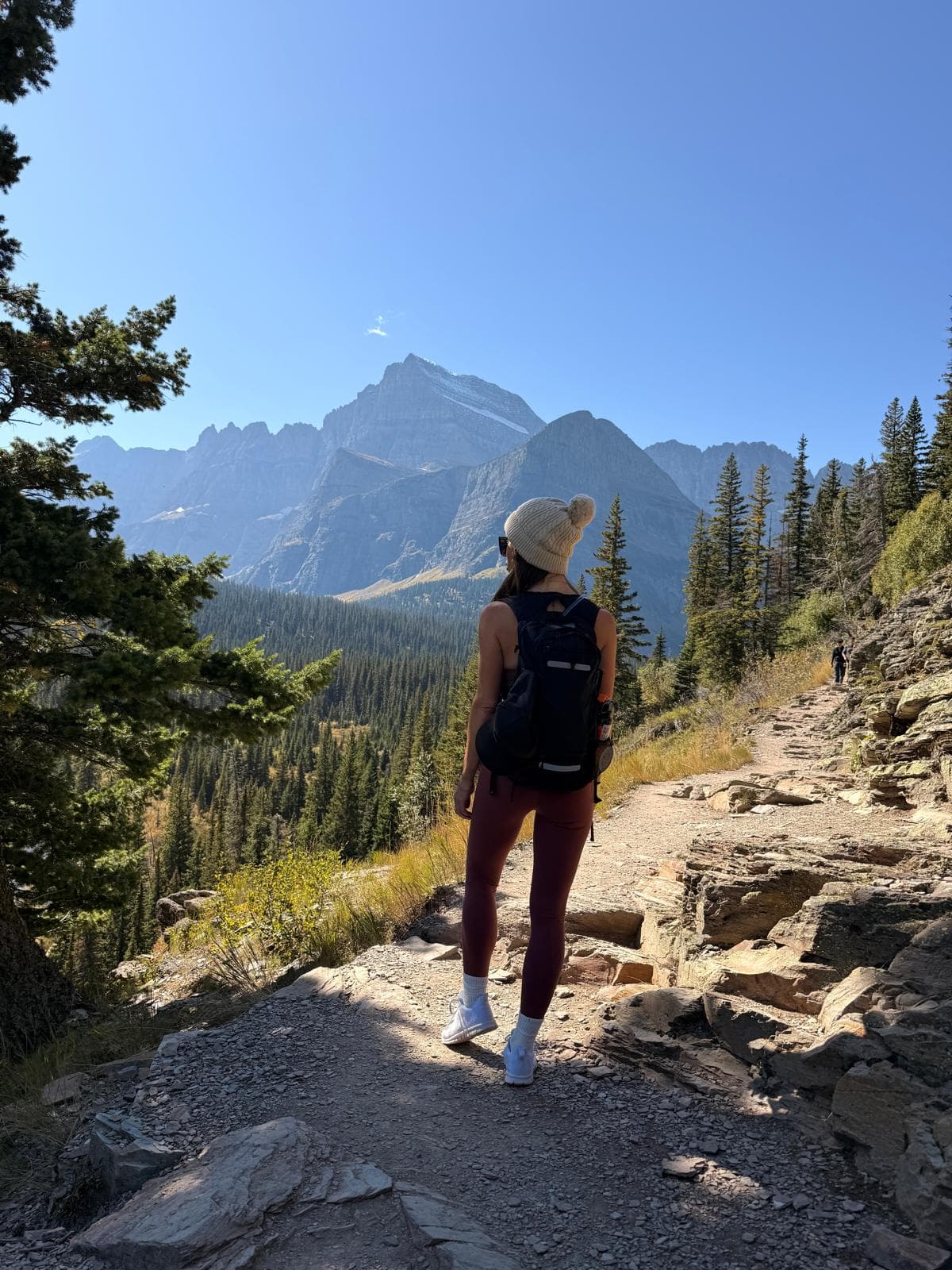
When Divinity Meets Science: My Approach to Healing Trauma
MJ Grace
Trauma Healing & Neuroscience Guide
When Faith Meets Science: My Approach to Healing
By MJ Grace
I believe in God. I also want to understand how my brain works.
I want to know why I can recognize a pattern and still repeat it. Why I can pray for peace and still feel anxious. Why moving forward sometimes feels so uncomfortable, even when I know it’s what I need.
For me, those questions belong in the same conversation.
Learning about my mind and nervous system has deepened my appreciation for how God created us. And my faith has helped me keep going through the parts of healing that information alone couldn’t make easier.
I can pray for guidance and make an appointment with a therapist. I can trust God and learn practical ways to care for myself.
There is room for all of it.
Understanding Myself Changed the Conversation
For a long time, I was frustrated with my own reactions.
I wanted to feel calm. I wanted to stop overthinking. I wanted to make a decision without fear immediately pulling up a chair and offering its opinion.
Understanding more about stress and learned responses gave me a different way to approach myself.
I began asking better questions. What am I reacting to? What am I afraid will happen? Is this response helping me now? What support do I need?
That understanding mattered. So did my faith.
Prayer gave me somewhere to bring the fear I couldn’t neatly explain. Somewhere I could be honest without needing to sound strong, spiritual, or particularly graceful.
Some prayers were simply, “God, I need help.”
I believe He heard those, too.
“Be Still” Has Become an Invitation
“Be still, and know that I am God.”
That Scripture means something personal to me.
I hear an invitation to pause. To loosen my grip on the outcome. To remember that I don’t have to anticipate every problem before I’m allowed a moment of peace.
Sometimes I sit quietly and pray. Sometimes I journal. Sometimes I take a walk and talk to God about what is weighing on me.
I don’t need to turn Scripture into a neuroscience lesson to value those moments. My faith has meaning beyond what can be measured.
And learning practical ways to manage stress gives me more ways to care for the body I’m living in.
I appreciate both.
The Possibility of Change Gives Me Hope
One of the ideas that draws me to neuroscience is neuroplasticity, the brain’s capacity to change with experience and learning.
To me, that possibility is deeply hopeful.
I have spent enough time repeating familiar choices to know that awareness doesn’t automatically change behavior. I can understand something intellectually and still need practice, support, and a few honest conversations with myself before I respond differently.
But I can learn.
I can notice sooner. Pause longer. Make a different decision. And when I fall back into something familiar, I can return to the work without declaring the whole effort a failure.
My faith helps me hold that possibility.
I believe God sees more in me than the version of myself I became while trying to survive. When I feel that quiet desire for a different life, I bring it to Him.
“Help me understand what needs to change. Help me follow through.”
That is how faith becomes part of my daily life.
You Can Have Faith and Still Need Help
I want to say this clearly because someone reading may need to hear it:
Struggling does not mean you have failed God.
You can believe deeply and still experience anxiety. You can pray sincerely and still need professional care. You can be grateful for your life and admit that something hurts.
I would never want someone to sit alone with their pain because they thought asking for help showed a lack of faith.
For me, getting support is part of taking responsibility for my life. So is resting. Setting boundaries. Being honest about what I can manage.
Sometimes the next step is spiritual. Sometimes it is very practical.
Sometimes it is making the call you have been putting off.
Surrender Still Asks Something of Me
Surrender has been one of my hardest lessons.
I like knowing what comes next. When you’ve spent years feeling anxious, uncertainty can make you want to work harder, explain more, or think through every possible outcome.
But there are things I cannot decide for other people. There are answers I cannot force. There are timelines I do not get to approve.
I can choose how I respond. I can pay attention to what is happening rather than what I wish were happening. I can take the next responsible step.
Then I have to leave room for God.
That takes practice for me. Some days, quite a bit of practice.
But I am learning that faith allows me to move forward without having every answer first.
Bringing It Together
This is the heart of what I share through The Power Back Project: understanding yourself, caring for yourself, and recognizing the power you have to participate in your own life.
I want to understand my thoughts and the beliefs behind them. I want to recognize when stress is influencing my decisions. I want to be thoughtful about where I give my energy and intentional about the woman I am becoming.
And I want God in that conversation.
My faith gives me a place to return when I am tired or uncertain. Learning gives me questions to explore and tools to consider. My choices give those things a place to become real in my day.
I am still learning. Still growing. Still asking for guidance.
But I no longer feel that I need to choose between trusting God and seeking understanding.
I can open my journal, say my prayer, ask for help, and take the next step.
I trust God with my life. I also believe He has given me a part to play in it.
Share this article
If this resonated with you, share it with someone who needs to hear it.
More Articles

Living From the End: The Art of Conscious Creation
Manifestation isn't vision boards and affirmations - it's a neurological event. When you learn to dwell in the feeling of your desired reality, you change the electromagnetic signal your brain sends out. Neville Goddard called it 'living from the end.' Modern neuroscience calls it predictive coding. Either way, the principle is the same: your brain doesn't distinguish between a vividly imagined experience and a real one. Here's how to use that to consciously create your life.

Gratitude Isn't Toxic Positivity - Here's the Difference
There's a fine line between genuine gratitude and spiritual bypassing, and most people are on the wrong side of it. Real gratitude isn't pretending everything is fine - it's finding the signal in the noise. Neuroscience shows that authentic gratitude practice rewires the brain's reticular activating system, literally changing what you notice in your environment. But forced positivity? That suppresses emotion and keeps trauma locked in. Here's how to tell the difference and practice gratitude that actually heals.

How Your Nervous System Keeps You Stuck (And How to Reset It)
Your body remembers what your mind tries to forget. When trauma gets stored in the nervous system, it creates a chronic stress loop - keeping you reactive, exhausted, and disconnected from yourself. The good news? Your nervous system is plastic. Through vagal toning, breathwork, and somatic awareness, you can literally rewire how your body responds to the world. In this post, I break down the polyvagal theory in plain language and share the daily reset practice I teach inside The Power Back Project.